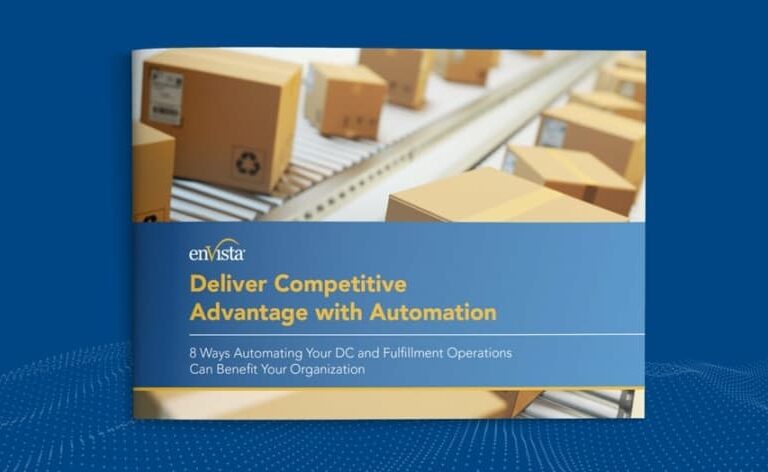

In the supply chain industry, it’s common to feel like you’re on the defense against recurring challenges like high operating costs, tight labor markets, and changing customer demands. These challenges will likely never go away completely, but there are ways to get back on the offense and meet them head-on.
What is Supply Chain Automation?
Supply chain automation is one way that leaders are combatting these challenges, but supply chain leaders who want to stay ahead of the curve need to take a more holistic approach that prioritises three factors: automation, technology, and supply chain planning.
When combined, these three factors give you an end-to-end supply chain strategy and efficient distribution and order fulfilment operations down to the tactical level.
This blog will discuss how to implement a comprehensive supply chain strategy, addressing key factors like inventory management, order fulfilment and supply chain distribution, and data visibility and integration.
Benefits of Automation Strategies
Automation is helping businesses operate more efficiently, effectively scale operations, and transition from a reactive to a proactive position in several ways:
Improved Operational Efficiency and Productivity
Automation eliminates repetitive and time-consuming manual tasks, such as invoicing, order processing, and inventory tracking. This allows employees to focus on higher value activites, improving productivity, optimising resource allocation, and enhancing business performance across the board.
Cost Reduction and Resource Optimisation
Automation can reduce your labour expenses and make sure your resources are always in the areas where they’ll provide the greatest benefits. It also reduces the risk of human errors, lowering costs associated with rework and material waste. All of this increases efficiency, reduces costs, and increases return on investment.
Enhanced Accuracy and Quality Control
Automation enhances accuracy and precision in vital areas, such as data entry and compliance, resulting in improved quality control. Automated systems consistently follow predefined rules and guidelines, leading to reduced errors, higher-quality outputs, fewer defects, and enhanced customer satisfaction. These technologies will allow you to maintain a higher standards and competitive advantage.
Streamlined Decision-Making and Data Analysis
Automated systems generate accurate data in real time, providing you valuable insights for informed decision-making. They can help you analyse data, identify patterns, and plan strategies backed by reliable evidence. This often reveals previously hidden growth opportunities that drive your business ahead of the competition.
End-to-End Supply Chain Automation Strategies
To increase your supply chain’s efficiency with automation and fulfilment strategies, focus on high-impact areas like your inventory, warehouse networks, and digital strategies.
Inventory Optimisation for Supply Chain Efficiency
The consumer landscape has shifted to a “pull from anywhere,” customer-centric model, putting retailers and distributors under even more pressure to consistently have the right product in the right place at the right time.
Having inventory in the right place at the right time starts with optimised demand forecasting. Demand forecasting software can use AI to consider historical data, market trends, seasonality, and external factors, such as economic conditions. AI is only as valuable as the data that feeds it, so make sure to regularly review and adjust your forecasts to stay responsive to changing customer demands.
Once your inventory is in the right location, effective slotting strategies come into play. Optimise your distribution centre storage by better utilising your vertical space, organising inventory based on demand patterns, and investing in new racking system. These strategies reduce travel time for pickers, increase your warehouse capacity, and pave the way for other improvements like autonomous robots for picking and packing.
Finally, ensure consistent inventory accuracy by conducting regular cycle counts and running the occasional full physical inventory audit to detect discrepancies. Barcode scanning and RFID tags can help keep track of inventory and minimise discrepancies.
Fulfillment & Distribution Automation Technologies
In the distribution centre (DC), automation relieves the burden from your labour pool by handling labour-intensive and tedious tasks, allowing associates to spend more time on quality control and safer, more stimulating tasks.
In the warehouse, AI demand sensing tools can use real-time data about stock and order levels to monitor demand levels and react to seasonal changes and other shifts in consumer interests. This lets you proactively adjust your inventory levels and stay prepared to meet customer demands without excess inventory. Inventory management platforms offer real-time tracking, demand forecasting and intelligent reorder points, centralising visibility across all your locations/retail channels, and making it easier to communicate across teams and partners and make informed business decisions.
Your warehouse management systems (WMS) is a great resource for maintaining real-time visibility into your inventory, streamlining order processing, and optimising picking routes. Upgrade your WMS to the latest version and integrate it seamlessly with other automation technologies to enable more advanced and efficient warehouse operations. Many WMS vendors are starting to integrate AI into their systems in different ways. Investing in a systems integrator now will help you navigate the options available to you and find the one that best fits your operational needs.
Physical automation tools also provide a lot of value. Conveyor belts, sorters, and autonomous mobile robots (AMRs) reduce labour costs and increase productivity, vastly improving productivity in the warehouse. Because AMRs are fast, reliable and precise, they’re well-suited to jobs like picking and packing or sorting items. Automating these processes shortens order handling time and frees up human workers for other jobs.
Wearable technology like smart glasses provides access to augmented reality tools for collaboration and performance tracking, further simplifying the job of picking and packing or processing returns. More recent innovations, such as wearable exosuits, help reduce fatigue and injury risk.
Improving Supply Chain Visibility and Data Integration
Using advanced analytics-driven insights and an integrated, intelligence-driven, customer-centric merchandise planning strategy will make a big difference in how you compete in the market.
You can enhance data integration in your warehouse by integrating your ERP platform, sales systems, and carrier profiles, giving you an accurate overview of the status of your business at all times. When all stakeholders have real-time access to critical information, they can communicate more effectively and make better-informed decisions.
Other tools like the Internet of Things (IoT) can give you visibility into your assets, such as product movement, inventory status, performance metrics, and process bottlenecks. RFID sensors, GPS trackers, and edge computing devices can provide real-time data, helping with things like loss prevention, bottlenecks, shipment updates, and route optimisation.
Key Components of Successful Automation Strategies
Before implementing automation, there are a few things you need to understand. Start by defining objectives, which will help you understand which processes require streamlining. Then you’ll want to select the right tools that are purpose-built to solve your identified challenges. Finally, assign a leader to oversee the operational changes and automation rollout.
For example, if customer service agents spend hours repetitively sorting tickets and a business objective is to minimise sorting time, you’d want to select an appropriate automation tool and have its implementation managed by a designated lead.
Here are some other components of successful automation strategies.
Process Assessment and Identification of Automation Opportunities
Starting with a comprehensive process assessment will ensure your automation efforts support your strategic objectives and deliver maximum impact on business processes. By analysing existing workflows, you can identify tasks where automation would improve efficiency and reduce manual effort, like high-cost processes, areas subject to delay-causing bottlenecks, and repetitive tasks.
Technology Selection and Integration Considerations
To ensure you select the right technologies for a successful automation implementation, consider factors such as scalability, compatibility with existing systems, and ease of integration. Thoroughly evaluating and selecting technology vendors and partners will make the integration more seamless and maximise the effectiveness of your automation initiatives.
Change Management and Workforce Alignment
Communicate the benefits of automation to employees and provide training and support to facilitate a smooth transition. By involving employees in the process and aligning their roles and responsibilities with automated systems, you can foster a culture of collaboration, which will increase adoption rates and make your automation initiative much more successful.
Performance Monitoring and ROI
Set performance benchmarks and regularly evaluate your automation initiatives to identify areas for optimisation, process refinement and improvement of technology use. By monitoring key performance indicators (KPIs), such as inventory accuracy rate, out-of-stock rate, carrying cost of inventory, average time to sell, and order fulfilment accuracy, you can continuously refine your automation strategies, address bottlenecks, and drive digital transformation.
When selecting automation, you need to consider which approach will give you the highest return on investment (ROI). While high-tech robotic systems can dramatically increase efficiency, they may require significant upfront investment and limit your ability to scale or change your workflows. You may also need to retrain your team or revise your processes to enable autonomous systems and humans to work alongside each other.
A WMS offers automation and visibility but may not cover all aspects of your operations. Consider a hybrid approach, combining technology with cost-effective fulfilment processes to achieve the best results.
Best Practices for Implementing Automation Strategies
These are best practices we recommend to help you navigate the automation journey effectively and achieve sustainable success:
Prioritise Automation Projects Based on ROI and Strategic Goals
When prioritising automation tasks, begin with high-impact, low-complexity processes. To ensure automation projects align with business goals, focus on those that address crucial objectives, such as cutting costs, increasing profit, or improving customer satisfaction. This will help you maximise the benefits of automation with tangible results within a reasonable timeframe.
Develop a Phased Implementation Plan
Before scaling to full deployment, your automation project should demonstrate proven success in the target area, such as improving efficiency or reducing costs.
Breaking down the implementation into manageable phases allows for testing and refinements before scaling up. This reduces risks, ensures smooth integration, and provides opportunities for learning and adjustment.
Ensure Scalability and Flexibility for Future Growth
As your organisation grows and evolves, your automation strategies will need to accommodate increased volumes, new processes, and changing business requirements. By considering scalability and flexibility from the outset, you can protect your investment and more effectively respond to market dynamics and growth opportunities.
Collaborate with Technology Vendors and Partners
Working with experienced providers offers access to the latest technologies, industry insights, and best practices. Proven vendors can provide guidance and support throughout the implementation process, from initial solution design to ongoing maintenance and optimisation. Treating vendors as an extension of the team, with shared goals and transparent communication, fosters long-term relationships with innovation at the heart.
Address Potential Challenges and Risks
Automation may introduce additional challenges and risks to your organisation, such as technological complexities, data security concerns, or employee resistance. Identify, anticipate, and address these challenges early on and develop mitigation plans to ensure smooth adoption and optimise automation’s benefits. Staff education is critical, and comparing current systems with proposed automated processes can help reduce risks.
Adapt to Workforce Changes and Upskilling Needs
Prepare your workforce to operate with new intelligent systems by identifying skill and knowledge gaps and investing in training and raising awareness of automation benefits.
Employees should fully understand the reasons behind their transitions to higher-value roles to minimise resistance to change. Cooperative staff members help maximise the potential of automation initiatives.
Leverage Emerging Technologies for Competitive Advantage
Exploring emerging technologies, such as artificial intelligence, machine learning, and robotic process automation, can unlock new opportunities for process optimisation, innovation, and competitive differentiation.
Achieve Automation Success with enVista
Automation strategies in the supply chain simplify operations, enhance accuracy, and drive cost-effectiveness. By implementing a holistic approach to automation in your distribution and fulfilment operations, you can improve operational efficiency and productivity, reduce costs, optimise resources, enhance quality control, and streamline decision-making and data analysis.
To learn more about how to harness the full power of automation in your business, explore enVista’s warehouse and distribution centre automation and robotics integration solutions.
Contact us today to find out how our supply chain and technology consulting experts can help your organisation use automation strategies to right-size your inventory, improve your distribution and fulfilment network, and improve data visibility across your entire organisation.