
Why AI has made the systems integrator more important than ever
As AI capabilities continue to grow, supply chain executives are under increasing pressure to get more done at a lower cost. The rising directive to find ways to be more efficient with AI is shifting the mindset around one of the key members of the supply chain marketplace – the systems integrator (SI).
In the AI era, executives’ goals are changing. They’re pausing large, long-term projects while they look for ways to do more with AI. They’re delaying system upgrades while they see how AI can improve their existing systems. And now they’re starting to ask themselves questions like, “Can AI make our training documents?” and “do we still need a systems integrator?”
In this blog, we’ll talk about how the real value of a systems integrator is growing, not diminishing, in the AI era and the critical components of a technology project that get sacrificed without one on board.
What is a Systems Integrator?
A system integrator (SI) is a third-party consultant that works in collaboration with the software vendor and the client to implement technology systems—both hardware and software—into an operational environment.
While integration is one of the responsibilities of an SI, it vastly understates their full value. An SI can support every step of a project, including:
- Business/operations assessment
- Project scoping
- Requirements gathering
- RFP building
- Vendor demo scripting
- Vendor evaluation and selection
- Contract negotiation
- System and integrations design
- Process mapping and design
- System integration
- System testing
- End-user training and change management
- Go-live support
Investing early in a systems integrator significantly increases success rates at every phase of your project.
The Real Value of a Systems Integrator
The systems integrator’s value is only increasing as supply chains get more complex. With more systems, more automation layers, and more data flows across them, the cost of getting integration wrong is rising, as are the number of opportunities for mistakes at each step of a project.
Take an automation integration, for example. While warehouse automation and robotics are fundamentally changing the pace and quality of work in the warehouse, many warehouse leaders are stuck with costly systems that aren’t delivering any tangible value.
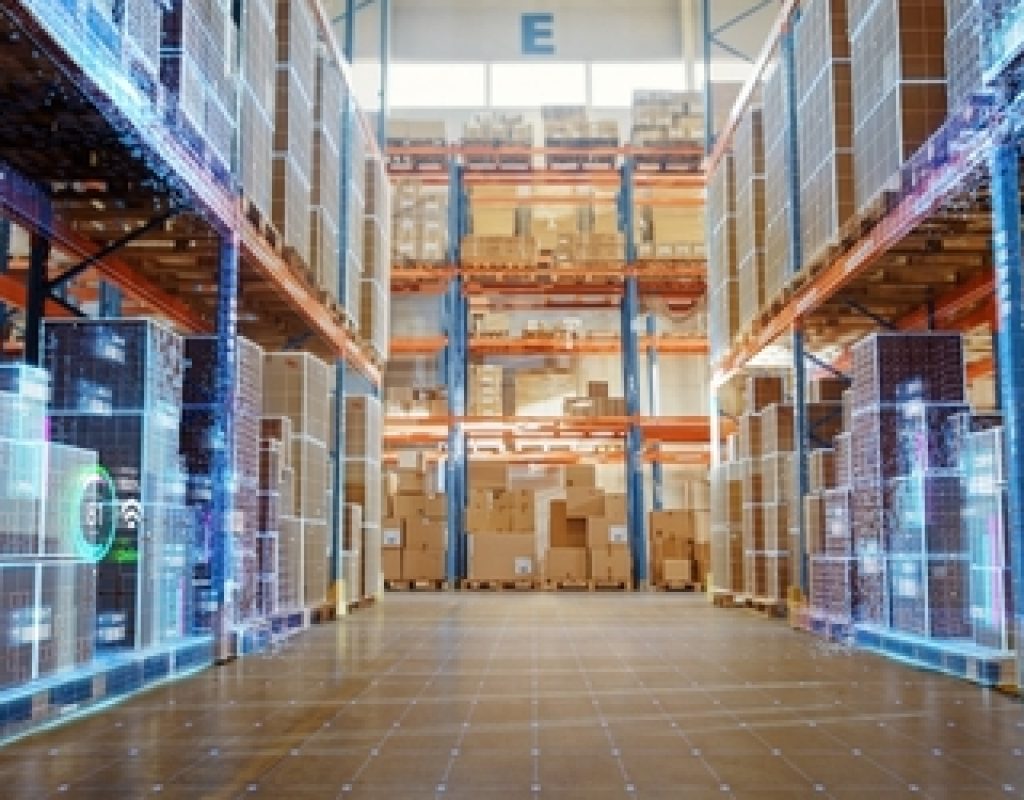
Here’s what happens: a warehouse has an operational challenge, like slow pick rates. Leadership invests in a robotic picking system to speed things up. Three months in, the system is working against the flow of operations, because it can’t communicate with the other systems and automation in the facility. It doesn’t fit well into the processes already in motion. Employees don’t know how to use it. So, it sits there, collecting dust, not generating the ROI that was in the business case, if there even was a business case.
This is a failure story we see often, and it normally happens when a systems integrator isn’t involved from the start—the moment the operational challenge is noticed.
This is the real value of a systems integrator. They can enter your operations the moment you identify an operational challenge, analyze your people, processes, and technology, and identify the ideal roadmap to success, before you make the capital investment in a system. The SI’s holistic operational knowledge makes sure the solution you choose provides the results you need.
The SI’s combination of operational alignment and decision-making helps you avoid some of the most common and costly integration mistakes like:
- Making a poor vendor selection
- Automating bad processes
- Over-customizing systems until they create manual work than before
- Over-buying functionality you don’t need or underbuying and missing out on key features
- Poor user adoption and limited ROI
Now, consider how this will help with AI initiatives. Supply chain executives know they need AI, but they don’t know where to start or how to use it. Systems integrators are the perfect resources to enter a supply chain organization, identify where AI could provide value without sacrificing quality, and ensure that use case aligns with operational realities and business goals, so it drives real results, not just more technical debt.
Benefits of a Systems Integrator
Here are some of the key benefits of a systems integrator:
- Full lifecycle project support: While most project partners provide a niche service, your SI can guide you through the entire project, from strategy through sustained performance. This increased scope helps prevent gaps between strategy, design, and execution.
- Expertise in software and operations: System integrators combine strong knowledge of the vendor technology with unique operational expertise that ensures your new technology becomes an integrated part of your entire ecosystem, with system logic that maps to real workflows.
- Project management: Many organizations don’t have the internal workforce to independently manage a technology project. SIs bridge this gap by providing resources to cover the entire project and managing all parties to keep the project on track and within scope.
- Risk mitigation: One of your SI’s biggest priorities is mitigating the risk of your technology project. They’ll align processes and integrations to increase speed, ROI, and scalability.
- Customization and complex integration: Your SI isn’t just an expert on the system you’re integrating. They also specialize in middleware, APIs, and custom development for every other system in your operation. This reduces the risk of disconnected systems, data mapping errors, and downstream inventory issues after go-live.
Conclusion
The value of a systems integrator is only getting stronger as AI continues to grow. The moment integration starts to be treated as a commodity task that can be automated, accelerated, or pieced together without deep expertise, is the riskiest moment of the project.
If you’re trying to figure out how AI, automation and robotics, and other supply chain technologies fit into your business, or if you just need a partner that understands operational tradeoffs, system dependencies, and downstream impacts of design decisions, contact one of our supply chain experts to talk about your roadmap to success.